
A lot of people ask me about my diet or to give some advice on nutrition for endurance sports. First: I’m not a dietician! There are people with a much bigger understanding of the nutrition processes than me! But I will try to write about what principles I believe are important, specially in an era of relentless nutrition modes, magical supplement claims and conflicting dietary dogma. In this context it is easy to miss the forest for the trees and with so, to build from the roof without building strong bases to hold it together. Most people spend 99% of their effort chasing 1% of the results, obsessing over perfect nutrient timing, supplements, and rigid meal windows.
I believe that by the contrary, to build a sustainable diet for health and therefore performance, you must focus first on the fundamental principles, the 99% that drives almost all health, body composition, and performance outcomes, and only then fine tune the 1% of marginal and specific gains.
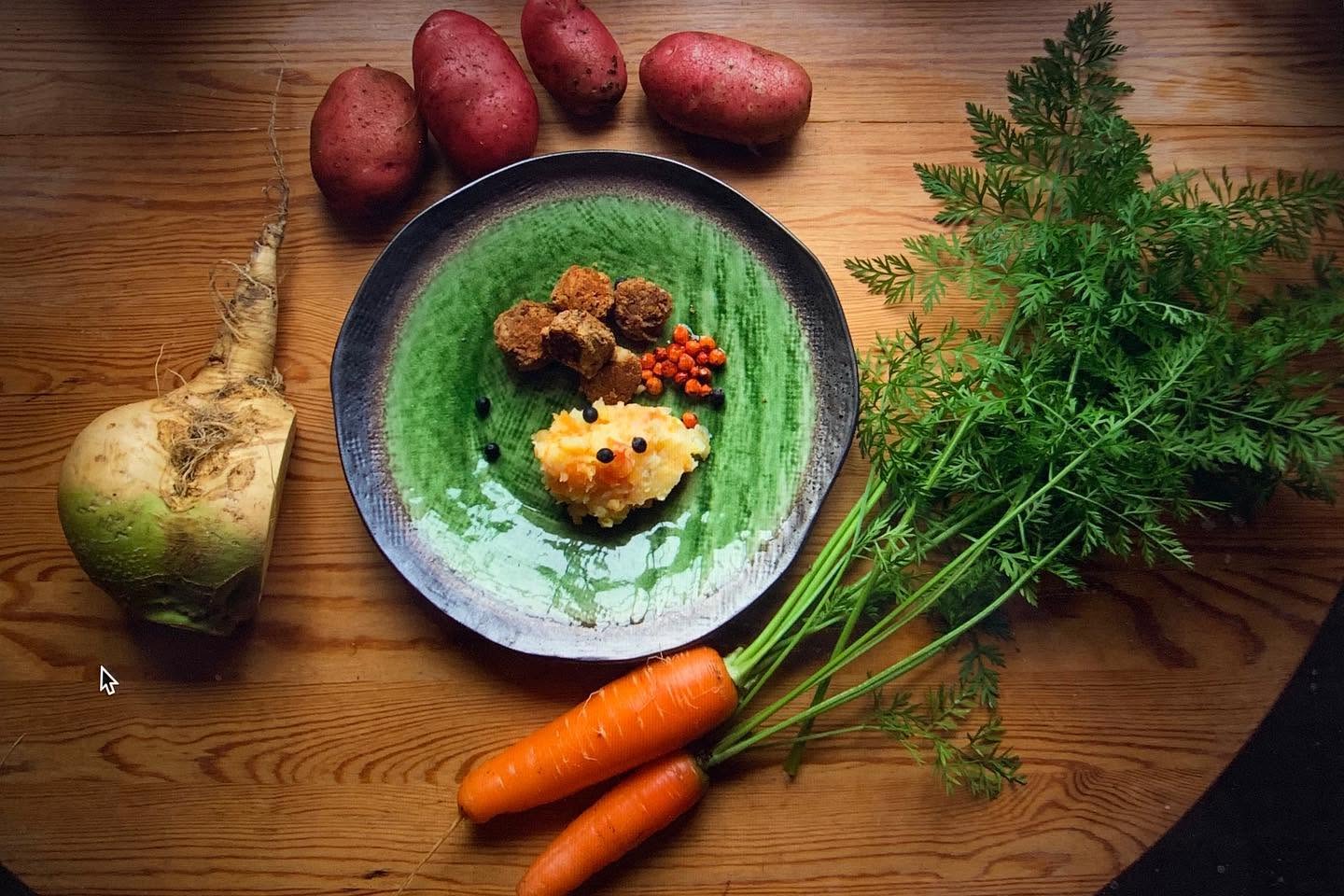
About my diet: I’ve been vegetarian for the most part of my life. My mother is vegetarian and as kids we eat a bit of meat but not too much and I never developed a taste for it. Then I was eating some meat – once every second week or so – mostly when traveling with the team and we had meals together, but about 15 years ago I stopped eating it completely, because I wasn’t a fan of the taste and also for environmental reasons. Home, we eat a lot of veggies and tubers from the garden – All the kudos are to Emelie on that, she is the one who takes care of the garden, fields and greenhouse – lots of berries every breakfast, many of them we pick around home, sourdough bread – also Emelie!- and sometimes we buy raw milk and make yogurt or kefir. Otherwise we try to buy most of the food bio – but I understand that can be a big economic barrier for many- we buy on bulk oats, lentils, grains, etc… My usual daily diet falls among those lines:
Breakfast we mostly eat overnight oats with seeds, lots of berries, some yogurt, kefir or cottage cheese and nuts.
For lunch depending on the training will be some eggs, grains or tubers, veggies, salad, garlic, onion, some fermented…or sourdough bread with cheese, leaves…
For dinner depending on next day training will be some tubers, grains or rice, legumes, veggies, salad, some fermented food, some tofu, soy, some beans… Some yogurt or kefir.
That is what I do, but – probably – might not be right for you. Instead of doing a copy/paste, same as for training. It is better to understand the principles and make what works for you depending on your specificity.
1. Core principles
Whole and minimally processed foods: The base of your nutrition should consist overwhelmingly of whole, single ingredient foods, those you can recognize from somewhere in nature: vegetables, fruits, whole grains, nuts, seeds, meat, fish, eggs, tubers, rice…
Alongside single ingredient items, simple processed foods created through traditional methods (fermentation, culturing, or baking) provide immense nutritional value without the downside of additives.
Options like sourdough bread, kimchi, sauerkraut, kefir or natural yogurt introduce beneficial live bacteria, supporting your gut microbiome and also make nutrients more bioavailable and easier on digestion.
Focusing on these foods naturally regulates appetite, ensures dense micronutrient intake, and minimizes ultra processed additives that disrupt satiety signals and limit chemicals that might be damaging your gut microbiota in the long term.
Quality of those foods will also have an effect on micronutrients quantity, bacteria availability and avoiding toxics and chemicals. That would be on eating food just picked from the tree or garden or from ecological agriculture.
That should be the base, then if you feel the need, you can add some processed food, but not the other way around.
2. Energy balance
No amount of “clean eating” overrides the laws of thermodynamics. Body weight and energy levels are governed by energy balance: the relationship between calories consumed and total daily energy expenditure (TDEE). You don’t need to count calories, but if you have a balanced diet, appetite will be pretty accurate to maintain weight. You can weight yourself to control – but also take into account that the hydration status or kinds of food (carbohydrates for example will retain more water than fats…) will affect what you see in the scale and not the body composition.
Before adjusting complex macros or timing, ensure your overall caloric intake reflects your actual daily physical demands. I wrote an article about energy expenditure in another post if you want to get deeper into it.
3. Macronutrients
Once total energy is set, macronutrients determine how you feel, perform, and maintain lean mass.
- Protein (1.2–2.0g per kg of body weight): Is essential for tissue repair, immune function, and retaining lean muscle mass. For most people, timing does not matter nearly as much as meeting your total daily requirement.
- Carbohydrates and Fats: Rather than fixing these in stone, keep a minimum of both and adjust them dynamically based on the demands of the events you are planning to do in a larger scale and in a shorter scale what are the demands of the next training session.
- Fiber: is not merely roughage for digestion; it actively feeds the trillions of microorganisms living in your gut. There is soluble fiber that dissolves in water to form a gel-like substance. It helps slow digestion, manage blood glucose levels, and lower LDL cholesterol. And also insoluble fiber: Adds bulk to stool and supports healthy transit time through the gastrointestinal tract. Together, soluble and insoluble fibers protect the intestinal mucosa and nourish gut bacteria. Incorporating both fermented foods (introducing external bacteria) and diverse plant fibers (feeding existing bacteria) supports a resilient gut ecosystem.
- Vitamins and minerals: Vitamins act as cofactors / coenzymes in enzymatic reactions, such as energy metabolism and DNA synthesis. Minerals are involved in enzyme function, oxygen transport and nerve signaling.
5. Eat all colors
A nutrient dense diet should be visually vibrant, have multiple colors. Incorporating leafy greens, vegetables and fruits across a spectrum of colors ensures a wide array of vitamins, minerals, and polyphenols.
Mix both raw and cooked preparation methods: Raw preparation preserves heat sensitive vitamins, antioxidants and active enzymes. On the other side, cooked preparation breaks down tough cell walls, reducing anti nutrients and making specific minerals and some antioxidants significantly more bioavailable.
6. Epigenetics and ancestral context
Heritable adaptations and ancestral backgrounds influence how different bodies metabolize macronutrients. Some populations evolved on high fat, animal-based diets; others thrive on high carbohydrate, plant rich staples. Your baseline gut microbiome and genetic background shape which foods you absorb most efficiently. Pay attention to how your body responds to specific macronutrient ratios rather than forcing yourself into a pre packaged dietary model.
7. Sustainability and tactical flexibility
A diet is only as good as your ability to stick to it. Meal frequency and timing should adapt to your practical lifestyle needs, not arbitrary schedules.As for training, the most important is to keep your diet day after day, year after year. So make it stick keeping it simple and stress free.
Tactical shifts: You can temporarily manipulate meal structure to achieve specific goals such as body recomposition, metabolic flexibility (improving your body’s ability to alternate between burning fats and carbohydrates at different intensity rates), or preparing for a specific endurance event.
8. Hydration
Hydration is the single most critical, immediate factor in physical recovery and waste elimination. Water facilitates cellular repair, nutrient transport, and metabolic byproduct removal.
Daily baseline hydration: Maintain high daily fluid intake as a non negotiable habit, independent of training. Proper hydration protects kidney function, maintains cellular function, blood volume, and optimizes cognitive performance.
Exercise hydration and rehydration: Except on special occasions where you want to work on dehydration adaptive capacities, rehydration immediately after exercise should be the top priority.
You can weigh yourself before and after exercise sessions to determine net fluid loss.
The most important thing when you finish a workout is to rehydrate, we often hear that we need to take protein after a workout (timing of protein intake doesn’t really matter if is available thought the day) or to eat carbohydrates right after (if you’re not super lean and are doing a very long and intense workout, the body available sources will be enough) and taking either of them without hydration will upset osmolarity and keep the toxins produced during exercise in your body for longer time. So first of all, focus on rehydrating to eliminate toxins and to increase osmolarity and the availability to absorb nutrients. To fully account for ongoing urinary losses post workout, consume something around 125% of the fluid weight lost during or immediately following your session.
About electrolytes: In general we eat plenty in our diet. Only if you are a salty sweater (you can do a sweat test to check-it or see if you always finish with very salty clothes) or if you are doing long events (more than 4h) where you will drink more than the 70% of your fluid loss, then it can be important to take electrolytes, specially sodium, while exercising to absorb better the water and to prevent hyponatremia.
9. Addressing deficiencies: diet first, supplements second
When dealing with nutrient deficiencies, avoid jumping straight to taking a supplement.
- First, modify food choices. Change low nutrient staples for nutrient dense alternatives, have a more variated color diet to be sure you have the minerals and enzymes to absorb nutrients.
- If you still low in some values, you can use targeted supplementation for gaps you cannot bridge through whole foods alone (such as Vitamin D3 in winter, specific electrolyte deficiencies, or Omega-3s if fish access is limited, B12 if you’re vegan, etc).




Leave a Reply